KU Engineering department inducts two alumni into CEAE Academy
LAWRENCE — The University of Kansas Department of Civil, Environmental & Architectural Engineering has inducted two new alumni into the department’s CEAE Academy. Phil Gibbs Sr., class of 1966 and 1967, and Gerardo Prado, class of 1995, have been selected as this year’s inductees.
Members are elected to the academy by the CEAE Advisory Board in recognition of their outstanding professional achievements, civic service, and advocacy and support for the department.
Phil Gibbs Sr. has had a six-decade career shaping major development across the Kansas City region, from highways and stadium complexes to residential communities, industrial facilities and landmark civic projects. Gibbs earned his bachelor’s and master’s degrees at KU before serving as a commissioned officer in the U.S. Public Health Service, overseeing facility modernization. After returning to Kansas City, he founded Continental Consulting Engineers Inc.
“I’m honored to be a part of a group that has already recognized other great engineers,” Gibbs said. “My opportunity to work in the whole Greater Kansas City area has just been fantastic. It really has.”
Gerardo Prado is a nationally recognized sports architect whose 29-year career has shaped major sports and entertainment venues across the country. He graduated from KU in 1995 and 1996 with degrees in architectural engineering and architecture. As a national sports practice leader at HNTB, he led one of the industry’s top-performing sports architecture groups before founding Prado Consulting Group in 2025.
“It is humbling to be recognized and rewarded for contributions to the industry,” Prado said. “I certainly still have a lot of gas in the tank, and I’m hoping to continue to mentor and look for more ways to give back to KU.”
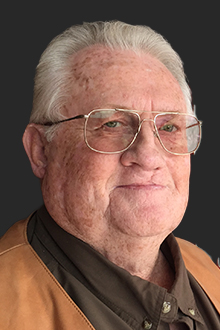
Phil Gibbs Sr., E’66, G’67
Raised in Kansas City, Kansas, Phil Gibbs Sr. enrolled at KU in the early 1960s. At KU, he gravitated toward structural analysis and research, earning both his bachelor’s and master’s degrees in civil engineering. His graduate research was groundbreaking at the time as he not only built a scale model of Templin Hall but was one of the first students to use the recycled wind tunnel in Learned Hall to study wind uplift on flat roofs.
Following graduation, Gibbs began his career in the U.S. Public Health Service, commissioned during the 1970s and assigned to the Surgeon General’s office in Washington, D.C. There, he worked on hospital modernization projects across the country, gaining hands-on experience in facility upgrades, structural problem-solving and public service under pressure. This experience reinforced a philosophy that would guide his career: engineering as a form of public responsibility.
“Civil engineering, whether you like it or not, is law and order,” he said. “Everything we do, we have to follow the law.”
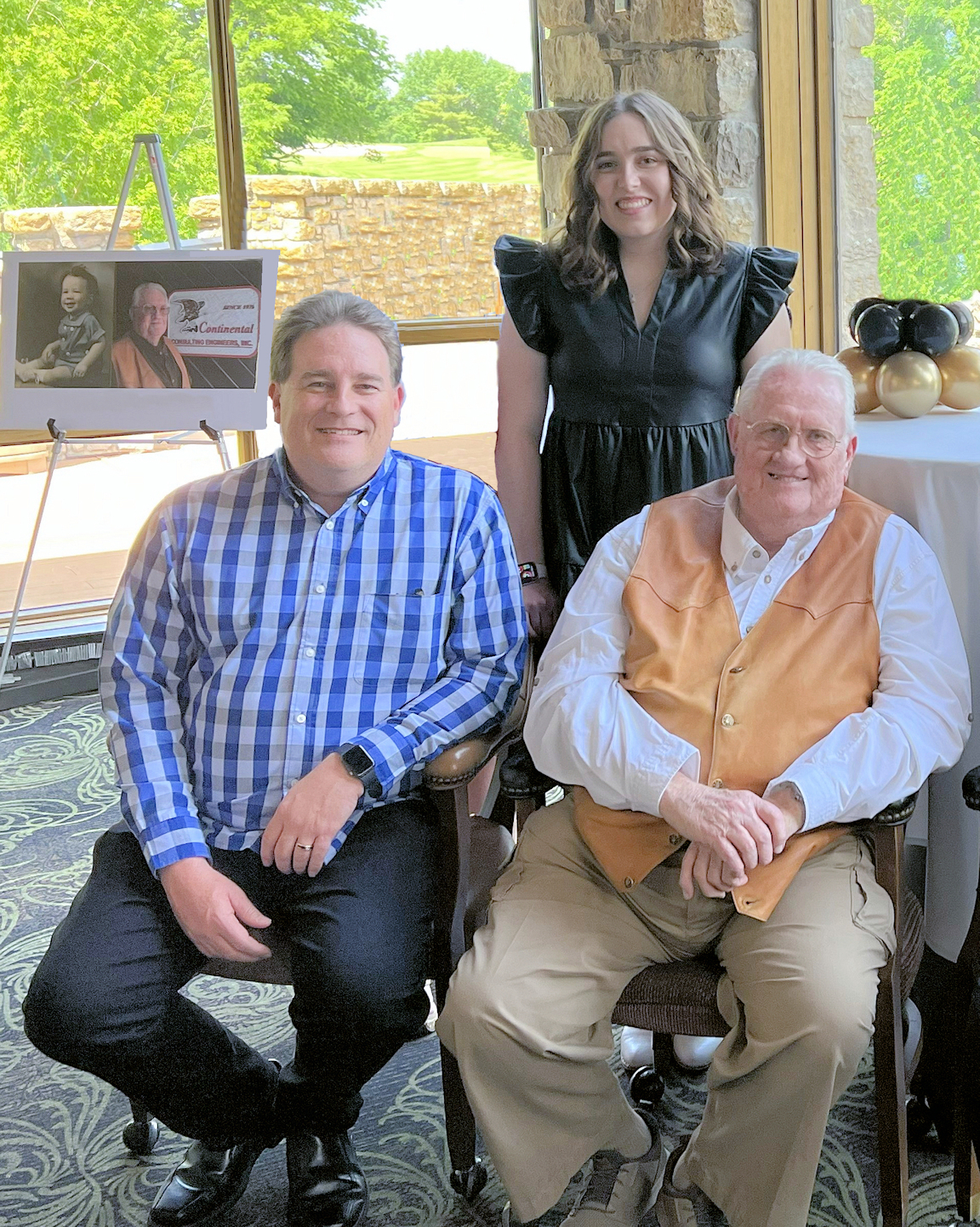
In 1976, Gibbs founded Continental Consulting Engineers, launching a firm that would help shape the Kansas City metro area for decades. His portfolio includes landmark projects such as the Truman Sports Complex, Hallbrook Farms and the Kansas Speedway. Under his leadership, Continental became the first firm selected as a special inspector in Kansas City following the Hyatt Regency collapse, an opportunity Gibbs credits with reinforcing the importance of independent oversight and ethical practice.
A strong advocate for education, planning and mentorship, Gibbs has remained deeply connected to KU and the civil engineering profession. His firm remains family-run, with his son and daughter actively involved and his granddaughter already gaining hands-on experience through company contracts.
“Having a family-run firm is the best,” he said. “The family cares and are involved in the stability of the firm and workability of the people we’ve hired.”
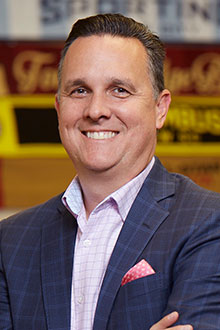
Gerardo Prado, E’95
Born in Rosario, Argentina, Prado moved with his family throughout Central America before eventually settling in the United States. His unique blend of creativity and analysis was rooted early in Prado’s life. A lifelong artist who began drawing in elementary school, Prado said he found architecture to be the natural intersection of his passions.
“I’ve always been very analytical and creative,” he said. “Engineering is the technical side in support of architecture. The two have to work together. They don’t work independently.”
His path to KU came through early outreach through KU’s Minority Engineering Programs, then known as the Student Council for the Recruiting, Motivating and Educating of Black Engineers. Prado said the opportunity proved pivotal through the support of the program’s director, Florence Boldridge.
“She was a second mom to me,” he said. “I was in her office weekly, just checking in.”
Prado earned his architectural engineering degree in 1995 and completed a dual degree in architecture in 1996, building a foundation that combined technical rigor with creative exploration.
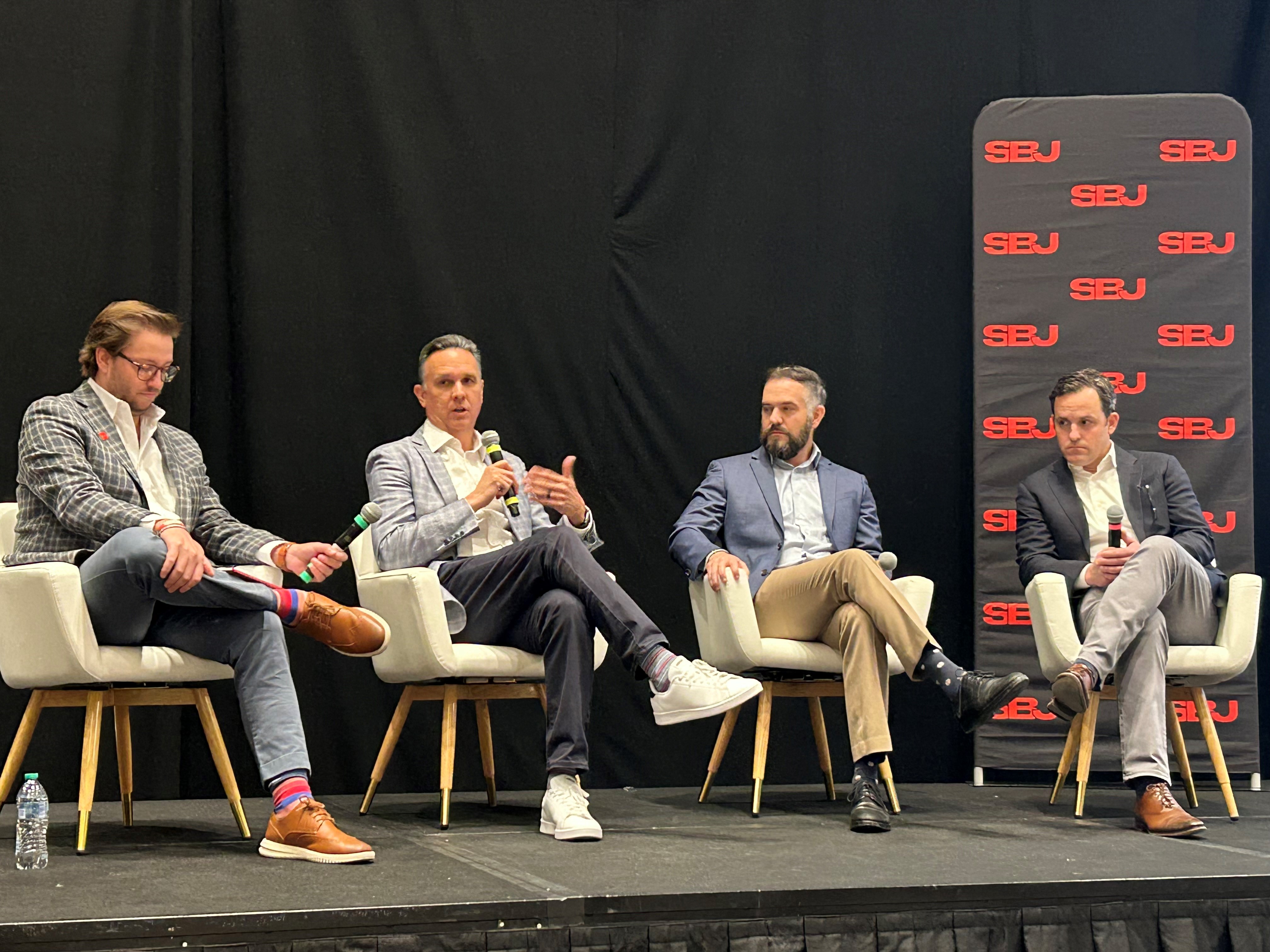
Over nearly three decades, Prado built and led a nationally recognized sports architecture practice within HNTB. His portfolio includes major professional, collegiate athletic facilities and long-range campus planning efforts, with an emphasis on collaboration and service-oriented leadership.
Most notably, Prado returned to his alma mater to lead the design team for the David Booth Kansas Memorial Stadium redevelopment, a defining project that allowed him to give back to KU while transforming one of the most iconic parts of the KU campus.
“Nobody can achieve great things by themselves,” Prado said. “Everything is a team effort, and that’s what I love about the analogy of sports, business and life.”
In 2025, Prado launched Prado Consulting Group, marking a new chapter focused on early visioning, strategic planning and advisory services across the architecture, engineering and construction industries.
“I wanted to build my own consulting practice and select clients that align with me culturally and with my values,” he said.